Read Our Employee Interview
Juvenile Justice Spotlight
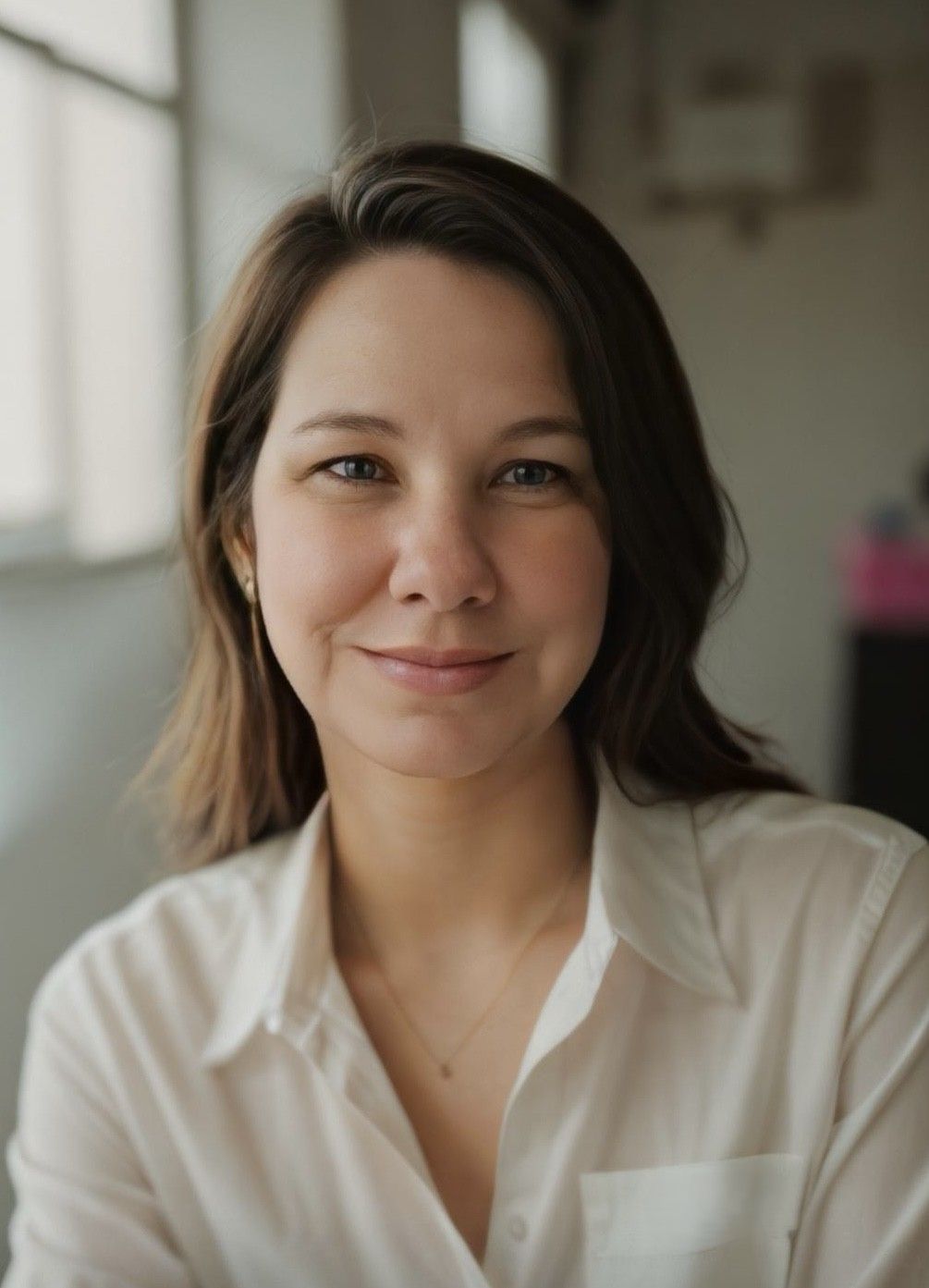
Amy Miller
Co-Founder
Agency: T3 Cloud Technologies
Location: Wortham, TX
1. Give us an overview of T3 Cloud Technologies.
“We were founded just a year ago in Aug. 2025 and work exclusively on Salesforce solutions implementation in the government sector. Our focus is human services use cases because we’re passionate about helping agencies that help others. Working with Human Services, Child Welfare, Juvenile Justice, and Courts, we improve their case management and other service platforms. We build efficient platforms that automate repetitive tasks and make documentation easier for the front-line staff providing services, so they can focus on helping people with the most need in our communities.”
2. Give us an overview of what a day in the life at work looks like for you.
“It varies. One of the best parts of my work is that I get to collaborate with different teams across the country and use my experience in juvenile justice and government to help them solve their biggest pain points and inefficiencies. I hop on a Zoom call and dive into what’s working and what isn’t for them. Then, work with our team and theirs to identify different solution options and find the best fit. We get to use the latest technology, like AI and advanced analytics, to help agencies improve services and work with incredible public servants in the process. It’s a puzzle every day and very rewarding to see how it all turns out.”
3. What positive changes do you see coming in the next 12 months?
“Every time we do an implementation we look to leave a positive change. Over the next 12 months, specific to our organization, it will be to broaden our team, expand our services, and provide greater solutions. Because of my history working in government, I know agencies are often working with older technology. It’s our mission to bring the latest technology to our public services partners using the Salesforce platforms.
We like implementing in Salesforce because it offers unique flexibility. They’ve been leaders in technology innovation for a variety of business use cases for decades and have more recently expanded their public sector foundations environment to bring those innovations to government. With the incredible diversity of functionality Salesforce provides, we can create custom-configured solutions to meet unique agency needs without using custom code that will become obsolete or expensive to change in the future. It gives our most important organizations a solution built specifically for them and the lower maintenance costs that SaaS platforms bring to the table.”
4. What gets you most excited about the work you do?
“Being able to help government organizations finally get the technology they need that frees them to focus on their most important work. The people in human service agencies really have a passion for helping others and making a difference in their communities. If I can do my part in lessening the paperwork, for example, that’s a great feeling. We can automate so much of the repetitive tasks of their work and make it easier for case managers and other front-line staff to engage with the people their agencies serve and improve lives.”
5. When I say the word, “Mentor”, who is it that you think about and what is something you were taught that sticks with you today?
“Oh my, I’ve got so many (laughs). It’s hard to pick just one, so I’m going to give you two. First is Jim Parks, who was one of my first supervisors. He came to work with enthusiasm, passion, and openness to everybody around him. He taught me to really enjoy the work I do and know that if I ever stop, it’s time to move on. He was a great example of finding meaning and purpose in your work.
Lou Serrano, who was my final supervisor, also had a huge impact on me. He taught me most about collaboration and the ability to listen better. To understand others’ perspectives and the art of drawing people together in a smooth and seamless way. He challenged me to be a better version of myself by focusing less on myself and more on others. In the process, he helped me grow tremendously as a leader and a person.”
6. In thinking about your entire career to date, what experience are you most proud of?
“I am most proud of my final role with the Texas Juvenil Justice Department as the Director of Juvenile Probation. The team I led supported probation departments across the state and collaborated with amazing professionals who inspired me every day. Probably the largest impact we had was in the work we did to improve the grants program for probation departments. During my final six years in that role, I identified a problem with how our grants were funded. Although the legislature had increasingly directed probation departments to divert youth from state juvenile facilities, a philosophy everyone strongly supported, the largest grants were still based on the number of juveniles supervised each year. As a result, departments adopting the robust diversion practices that most benefited youth faced a financial penalty. After six years of engagement, education, and collaboration with probation departments and agency and legislative stakeholders, the legislature altered the funding formula to include any probation service. The result was an additional $30 million in funding to probation departments and the ability to deepen investment in diversion.”
7. Whether it’s a co-worker or young person you work with, what is one consistent piece of advice you find yourself giving others?
"I think it’s about how you interact with people around you, and the stamp you put on yourself in that regard. Always present yourself with integrity and professionalism and assume that the people around you also want to produce good work. It’s a great way to build trust and invite further collaboration.”
8. From your perspective, how can the current state of Juvenile Justice improve?
“There are many ways to improve and dedicated professionals championing different approaches. I’m most interested in approaches based on building hope and internal motivation to change. While understanding trauma and its effects on the developing brain is important, I believe helping young people find paths forward out of trauma requires building resilience, which is grounded in hope. When youth can envision a better life, they become motivated to build it for themselves.
For my part in my current role, I’m focused on helping remove the mountain of paperwork and administrative burden that keeps front line probation officers, case managers and other staff stuck to a computer instead of engaging with youth. Their energy, dedication, and expertise is best used in direct interaction with youth and families to help them define and achieve their better future.”
9.
Who is Amy when she’s away from work?
“I’m a bit of an introvert, so I tend to engage in more quiet and solitary pursuits. I get into hiking, bicycle riding, and yoga for physical exercise. I like intellectual pursuits, as well, and enjoy reading novels and books or articles about various subjects (i.e., history, philosophy, and some sciences). With my husband, I love to travel and experience new places and cultures.”